You know, Ins Positioning really is a big deal these days, especially with how competitive everything's gotten. I was chatting with Jane Smith from Market Insights, and she mentioned that the secret sauce is understanding your audience's needs — I mean, that's really what successful Ins Positioning boils down to. It’s so important because, in crowded markets, brands gotta find ways to stand out.
Honestly, nailing down effective Ins Positioning isn’t exactly a walk in the park. You’ve got to have a solid plan, define what makes you special, and not just lean on old-school marketing tactics. The world keeps changing so fast; you’ve gotta adapt on the fly. Companies often find themselves stuck trying to make sense of it all — some efforts work, others don't, and that’s totally normal. It just shows there's always room to improve.
At its core, Ins Positioning is really about making a genuine connection with your customers. Brands that get this tend to shine through. But honestly, a lot of folks miss how deep that connection should go. When you get it right, it can lead to more loyalty and better sales. Still, it’s worth taking a step back and asking yourself: how can we make our Ins Positioning even more meaningful for our audience? Because, at the end of the day, that’s what really counts.

What is Ins Positioning?
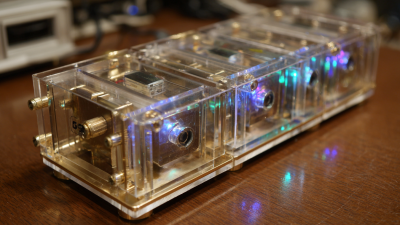
Inertial Positioning refers to a technology used to determine an object's location based on its motion and orientation. It relies on sensors, such as accelerometers and gyroscopes, to track movement over time. This method provides accurate location data without needing external references. It can be useful in various applications like robotics, virtual reality, and automotive systems.
Tips: Test different sensor configurations. Sometimes, a slight adjustment can improve accuracy significantly.
Inertial positioning involves integrating motion data over time. This process has its challenges. Sensor drift can occur, leading to incorrect positions if not corrected. Regular calibration is essential to minimize errors. Besides, environmental factors can affect sensor performance.
Tips: Keep your sensors well-maintained. Dirty or worn-out sensors may yield flawed data.
The potential for Inertial Positioning is vast. But it requires careful implementation. Understanding the limitations helps users make informed decisions. Innovators must be aware of these factors to enhance usability and reliability in their projects.
The Importance of Insurance Positioning in the Market
Insurance positioning plays a crucial role in how companies present themselves in the market. It affects customer perception and purchasing decisions. When insurers effectively communicate their strengths, customers find it easier to trust them. A strong positioning strategy can differentiate one insurer from another, making it memorable.
However, many companies struggle with this aspect. They may rely too heavily on standard practices without considering niche markets. Some fail to showcase their unique features or innovations. Just look at how an Inertial Positioning System enhances navigation in unfamiliar areas. Similarly, insurers can benefit from highlighting innovative technology. By doing so, they create a clearer value proposition.
Yet, there are pitfalls to avoid. Overcomplicating the message can confuse potential clients. Insurers must ensure clarity and simplicity to engage their audience effectively. It's vital to reflect on how the positioning resonates with target demographics. Companies should regularly evaluate their approaches and adapt to changing market needs.
Key Components of Effective Ins Positioning
Effective insurance positioning is crucial for standing out in a crowded market. It involves understanding target audiences and their unique needs. What do clients truly value? This is the question that should guide your approach.
Key components include clear communication and tailored offerings. Clients respond to messages that resonate with their experiences. Create content that speaks their language. A well-defined value proposition sets the foundation. It should explain why your services are essential.
Tips: Regularly gather feedback from clients. This can help refine your positioning. Use social media to engage directly with your audience. Understand their pain points and adjust accordingly.
Another critical aspect is consistency. Ensure your branding is uniform across all channels. Inconsistency can confuse potential clients. Take a moment to review your messaging and visuals. Are they aligned with your values and mission? Recognizing areas for improvement is key to effective positioning.
How Ins Positioning Affects Customer Perception
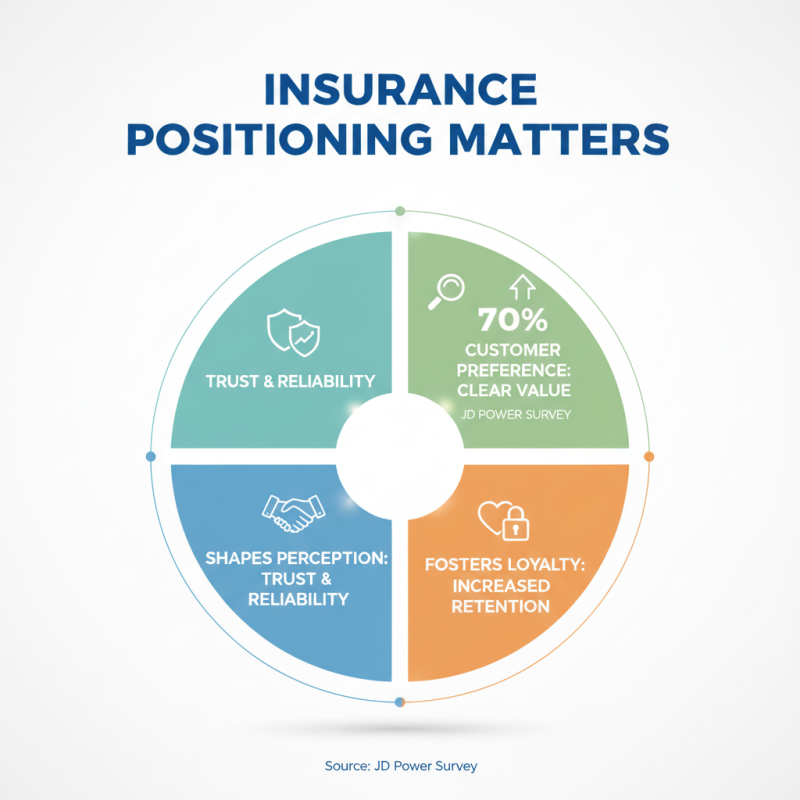
Insurance (ins) positioning is critical in shaping customer perception. When an insurance company has a clear position, it communicates trust and reliability. According to a recent survey by J.D. Power, 70% of customers prefer brands that articulate their unique value clearly. This clarity can foster loyalty, making customers more likely to stay.
Customer perception can shift dramatically based on positioning efforts. A report from McKinsey indicates that 60% of consumers choose their insurance provider based on perceived customer service rather than just price. This highlights the importance of not only positioning but also delivering consistent experiences that match customer expectations. Many companies falter here. They often prioritize flashy marketing over authentic communication. This can create a disconnect, leaving customers confused or disappointed.
Moreover, inconsistent messaging can harm a brand’s image. A study by Accenture found that 65% of consumers switch providers due to unclear information. This necessitates a thoughtful approach to ins positioning. Brands must embrace vulnerability and address gaps between promised services and actual delivery. Reflecting on this can lead to improved customer trust and satisfaction, which are invaluable in today’s competitive landscape.
Strategies for Developing Strong Ins Positioning
In the realm of insurance, strong positioning is essential. It helps your services stand out. To develop effective positioning, the first step is to understand your audience. Who are they? What do they need? Conduct surveys to gather insights. Create personas that reflect your customers' needs and preferences.
Once you understand your market, define your unique value proposition. What sets you apart? It could be your customer service, innovative products, or pricing. This message should resonate with your audience. Use language they relate to. Avoid jargon that may confuse them.
Testing is crucial in this process. Run small campaigns to see how your positioning is received. Analyze the feedback. What worked? What didn’t? This reflection helps refine your strategies. It’s okay to stumble during this journey. Adapt and improve with each step. Remember, strong positioning evolves over time. Keep your fingers on the pulse of industry changes to stay relevant.
Measuring the Success of Ins Positioning
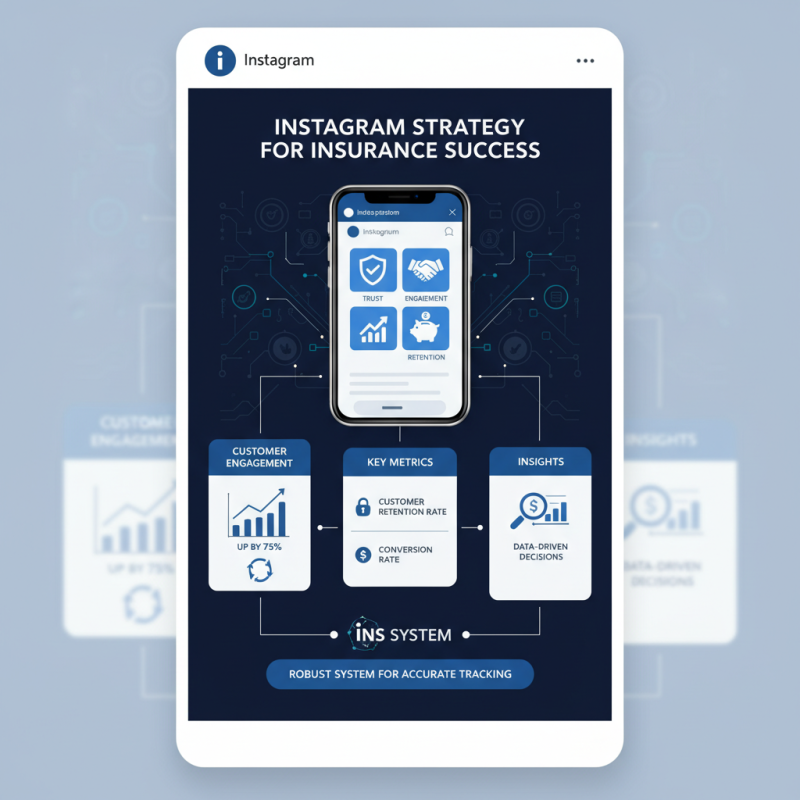
Ins positioning plays a crucial role in determining the success of insurance products. Many industry reports show that effective positioning can increase customer engagement by up to 75%. Understanding how to measure this success is essential for any business. Metrics such as customer retention rates and conversion rates provide valuable insights. A solid Ins System helps in tracking these metrics accurately.
Tips: Focus on customer feedback. It is a goldmine for understanding your positioning. Regular surveys can reveal insights into customer perceptions. These can guide adjustments in messaging.
Analyzing data can feel overwhelming. Yet, it is vital to embrace this process. A report by the Insurance Information Institute states that companies leveraging data analytics improve their positioning by at least 30%. This improvement is critical in a competitive market. Reflecting on positioning strategies is necessary for growth. Not all approaches will yield immediate results. Adaptation is key to finding what resonates best.
Tips: Set specific goals. Benchmark your positioning efforts against competitors. This can help identify gaps and opportunities in your strategy.
Case Studies of Successful Ins Positioning
Successful ins positioning starts with understanding the unique strengths of an organization.
Consider a company that focuses on eco-friendly products. Their messaging highlighted sustainability, attracting like-minded consumers. This genuine commitment resonated. It created a community around shared values. This is where ins positioning shines—it connects to customers on an emotional level.
Another case involves a tech startup in the
Gps And Ins sector.
They emphasized precision and reliability in their services. Their marketing showcased real-world applications.
For example, how their technology improved logistics and enhanced safety. However, their initial efforts faced challenges.
They struggled to make their advantages clear to potential users. Feedback was mixed, and they realized communication was key.
These examples show that ins positioning is not just about claiming a space. It's about crafting a narrative that engages and informs.
Companies must reflect on their messaging. Misalignment can lead to missed opportunities.
Finding the right balance requires continual reassessment. The goal is to build a strong brand that meaningfully connects with its audience.
Enhancing Maritime Operations: Insights from Industry Reports on DIVER 101 Vessel-mounted Communication & Positioning System
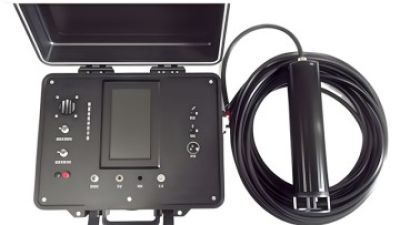
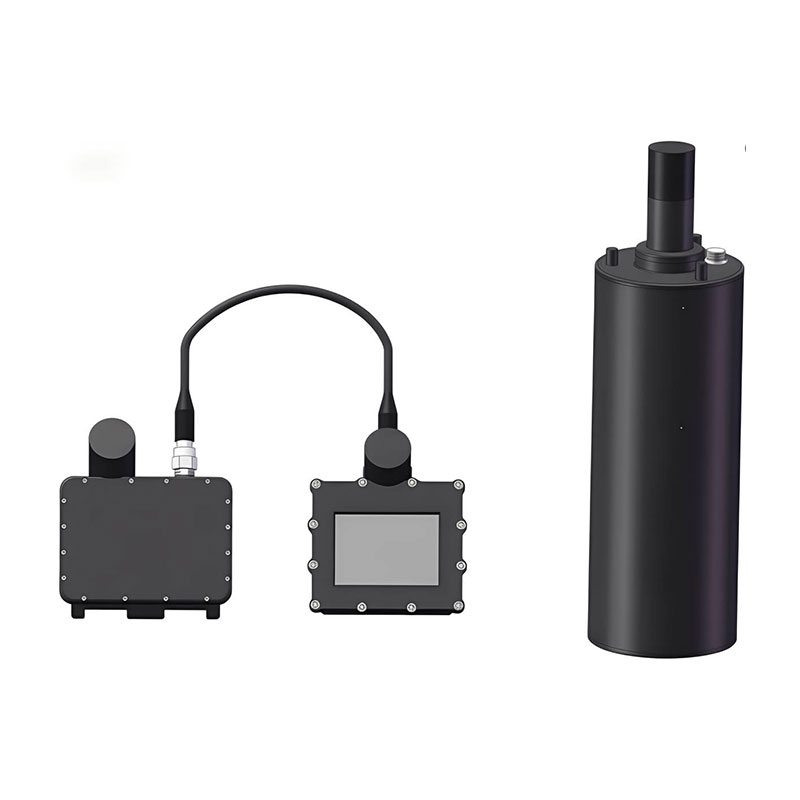
The maritime industry has increasingly recognized the importance of advanced communication and positioning systems to enhance operational efficiency and safety. The DIVER 101 vessel-mounted communication and positioning system exemplifies this trend, offering real-time location data that facilitates precise coordination between divers, command vessels, and team members. As recent industry reports suggest, the integration of such systems is pivotal for successful amphibious operations and underwater missions, where every second counts and the safety of personnel is paramount.
According to a report by the International Maritime Organization (IMO), incidents in maritime operations can lead to significant losses, underscoring the need for reliable communication tools. The DIVER 101 addresses this challenge by serving as a core command hub, allowing for seamless interaction among team members and ensuring that divers remain connected with surface support. The ability to track divers' positions in real-time not only streamlines mission planning but also enhances response times in emergencies.
Furthermore, the benefits of maintaining clear communication pathways are critical in dynamic underwater environments. Studies show that teams equipped with advanced positioning systems demonstrate higher mission success rates and reduced risk of accidents. As the maritime sector continues to evolve, the role of sophisticated tools like the DIVER 101 becomes increasingly integral, highlighting a future where technology plays a central role in effectuating safe and effective maritime operations.
FAQS
: The article aims to provide insights on specific topics.
Read frequently and engage with experts in the field.
Try breaking down complex topics into smaller sections.
Yes, many platforms offer articles, videos, and forums.
Avoid distractions and overly long study sessions.
Use visual aids and practice regularly; repetition helps.
It helps identify weaknesses and areas for improvement.
Yes, short breaks can improve focus and retention.
Working with others can provide new perspectives and ideas.
Yes, asking questions is key to overcoming challenges.
Conclusion
Ins Positioning refers to the strategic process of defining and communicating an insurance company's unique value proposition in the marketplace. It is crucial for differentiating offerings from competitors, as effective Ins Positioning not only informs potential customers about the benefits and features of products but also fosters trust and credibility. Key components include understanding target demographics, competitive analysis, and consistent messaging that aligns with customer expectations.
The impact of Ins Positioning extends to customer perception, influencing how clients view the brand and its services. Developing strong Ins Positioning involves crafting targeted marketing strategies that resonate with the audience, along with regularly measuring and analyzing their effectiveness. Through case studies of successful Ins Positioning, one can learn how innovative approaches have led to enhanced brand recognition and customer loyalty in the insurance industry.

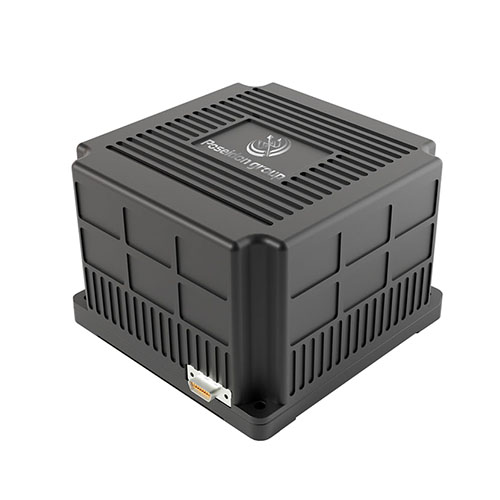 TBSD60
 BSD120
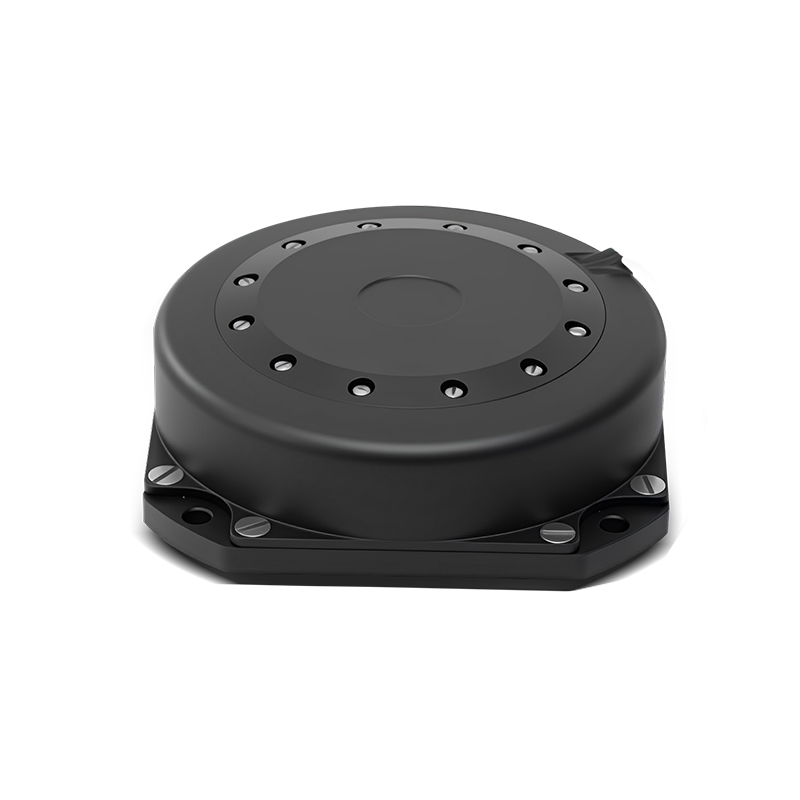 BSD98
BSD98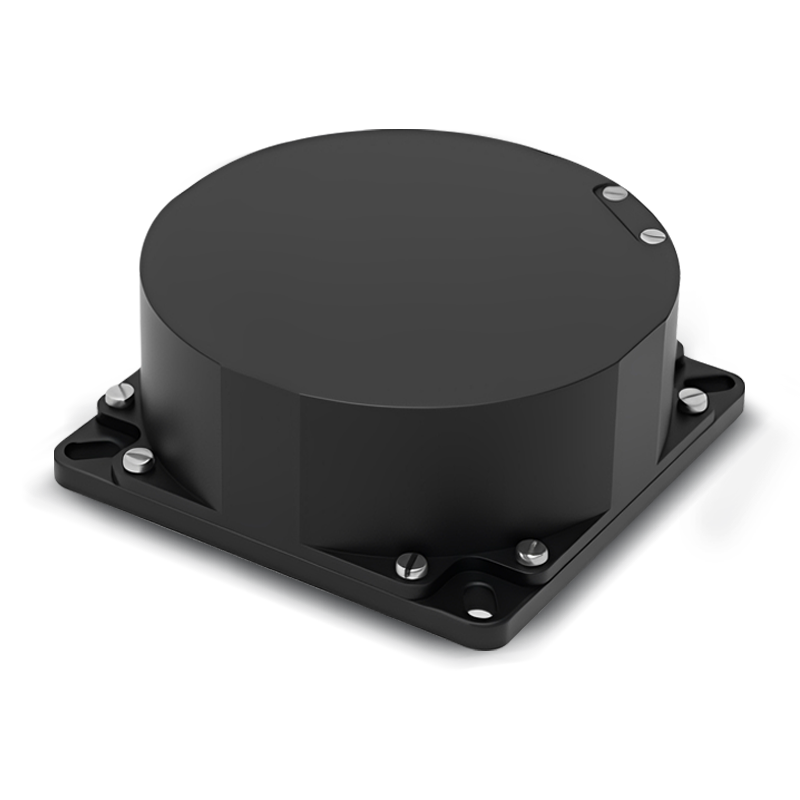 BSD70
BSD70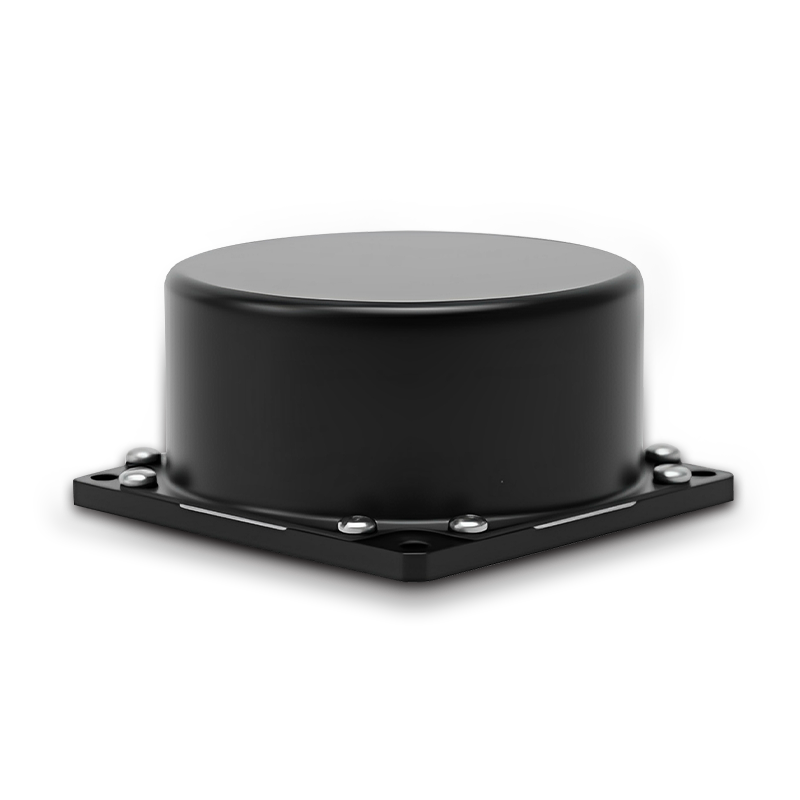 BSD60
BSD60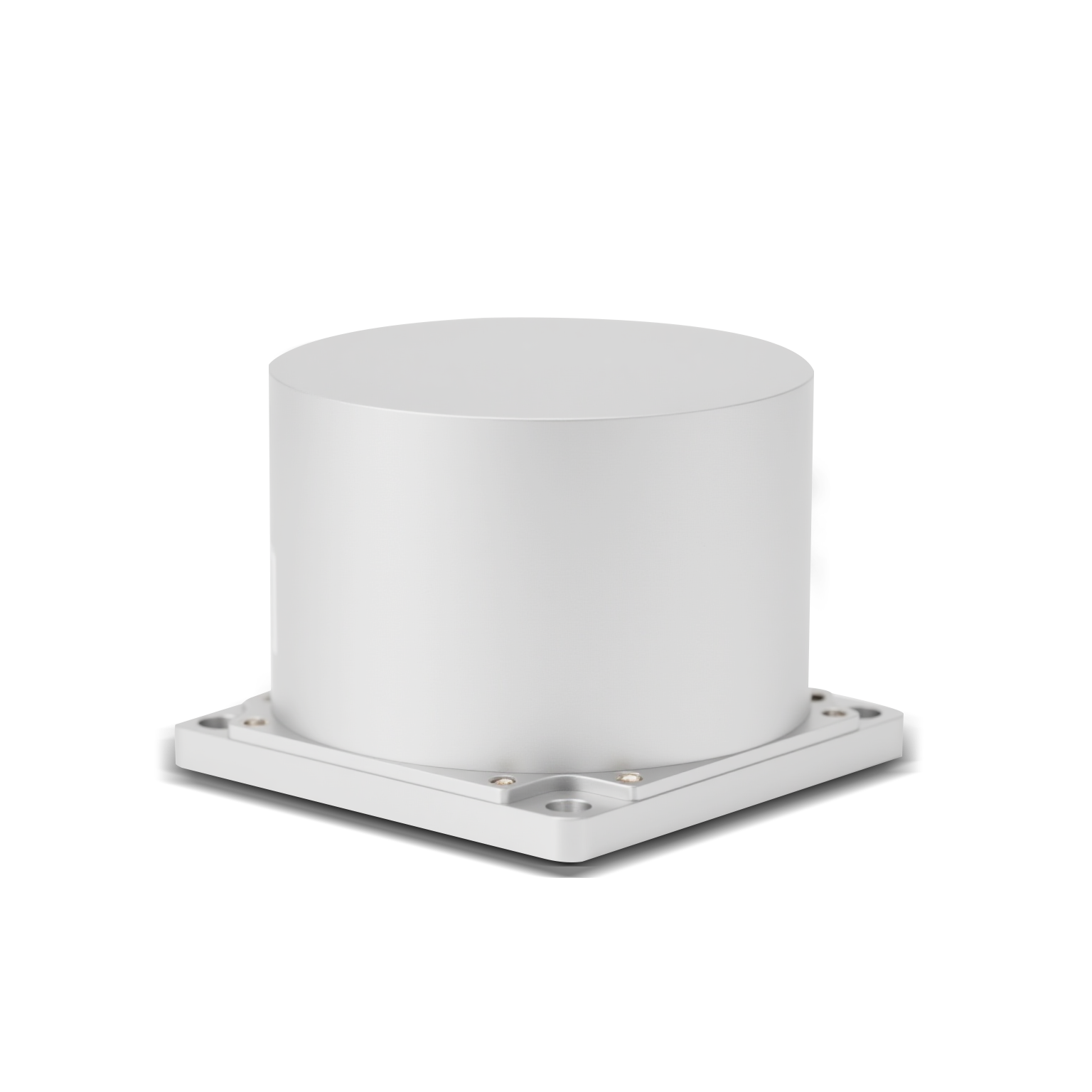 BSD50
BSD50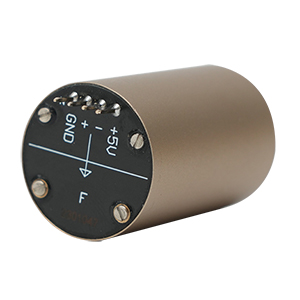 BSD217
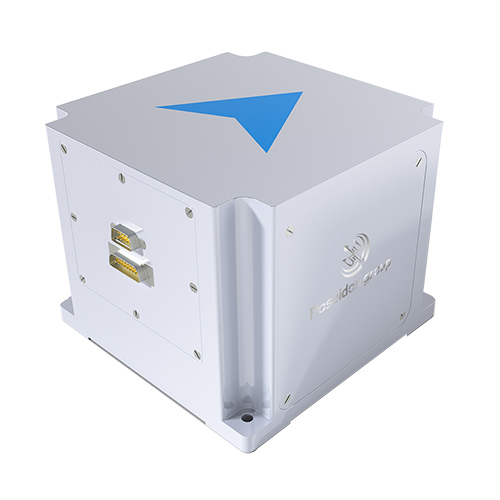 INS1700
 INS970
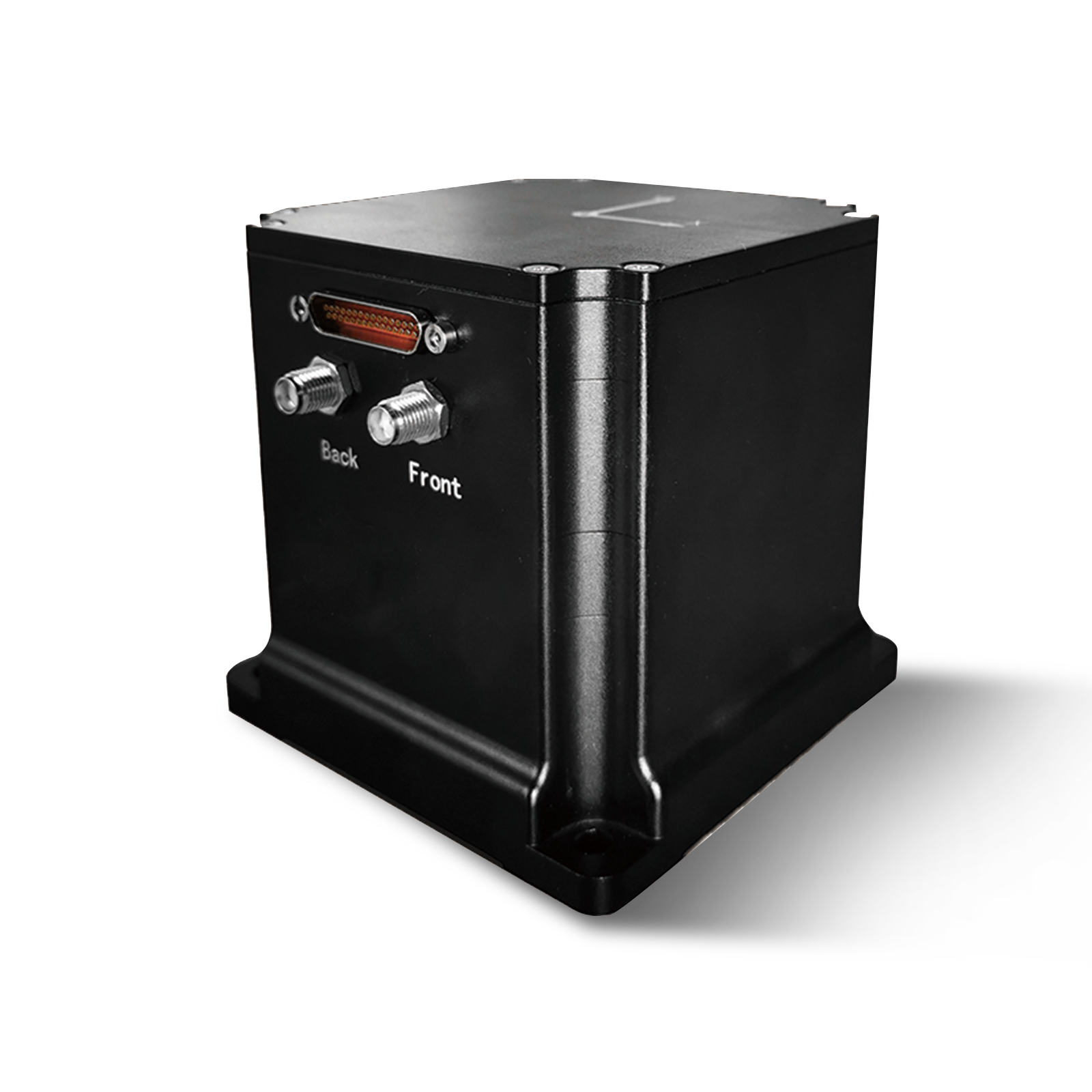 INS570
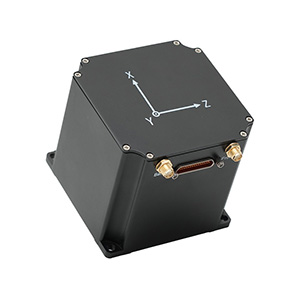 INS170
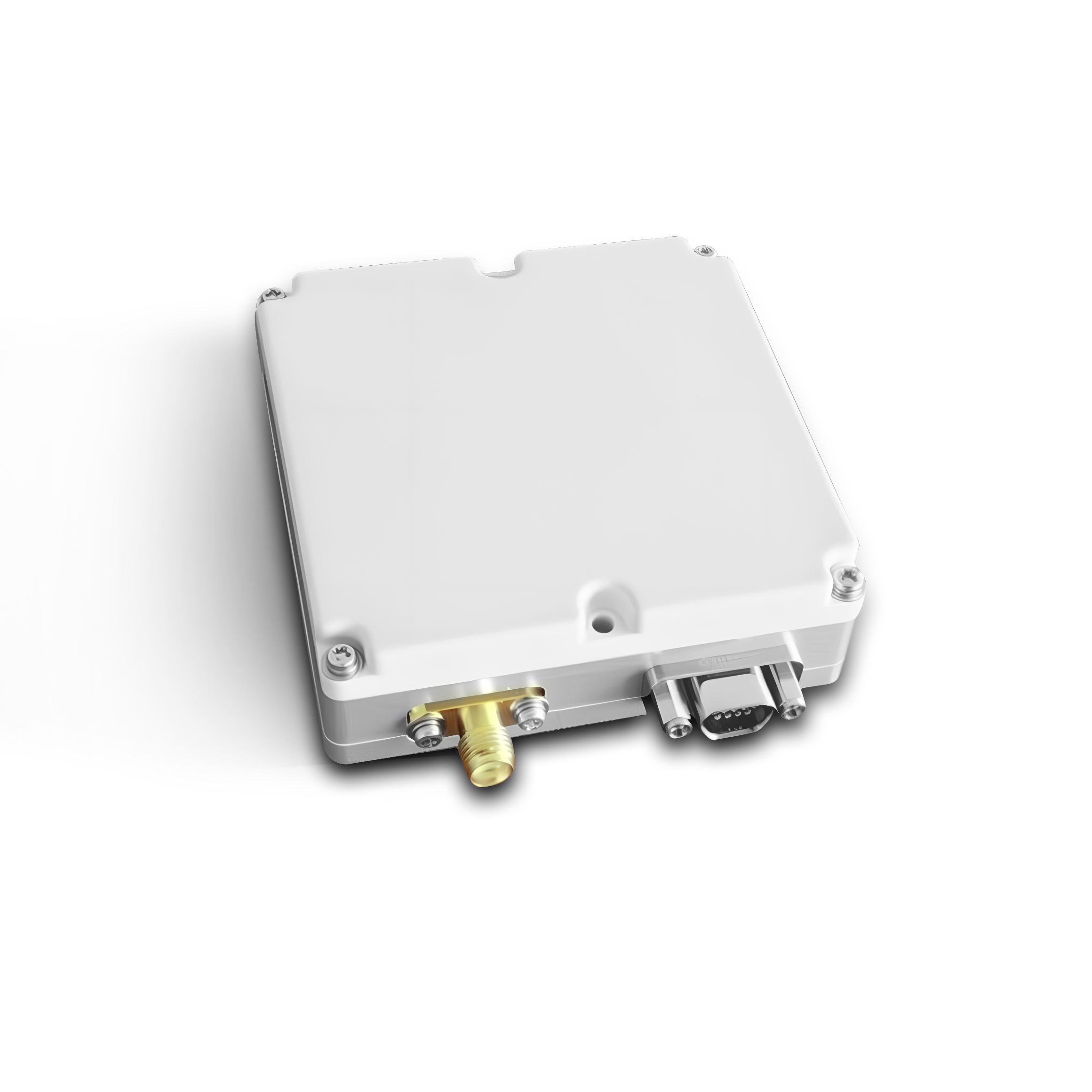 SLA-4B1L1-65
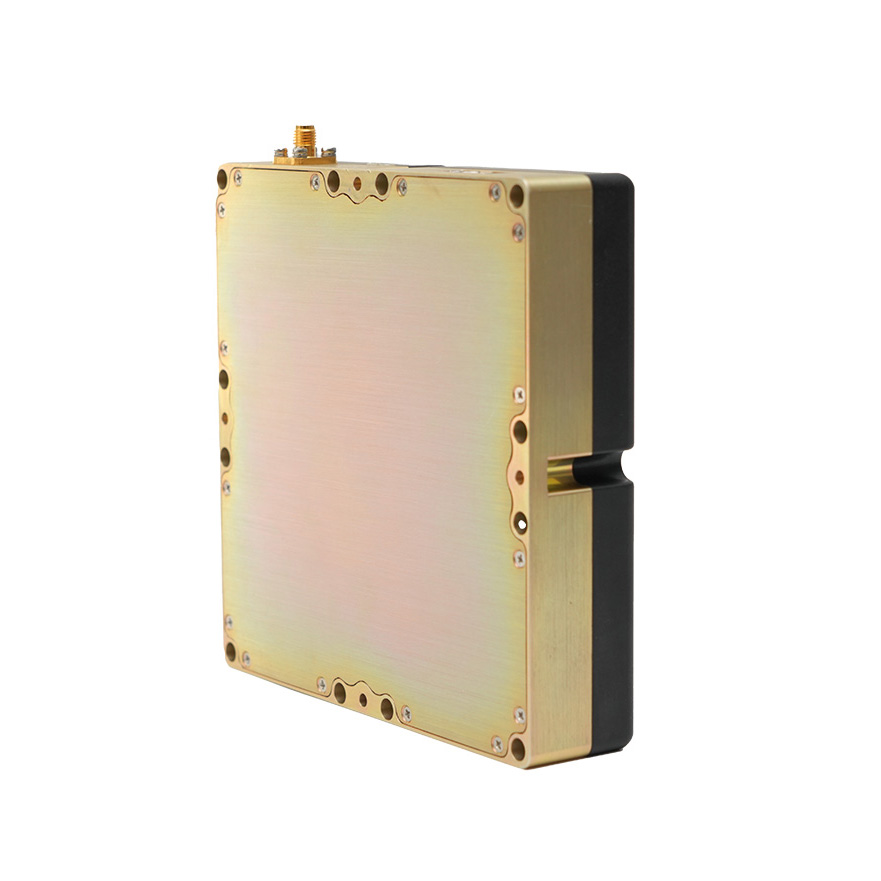 SLA-4B1L1-130
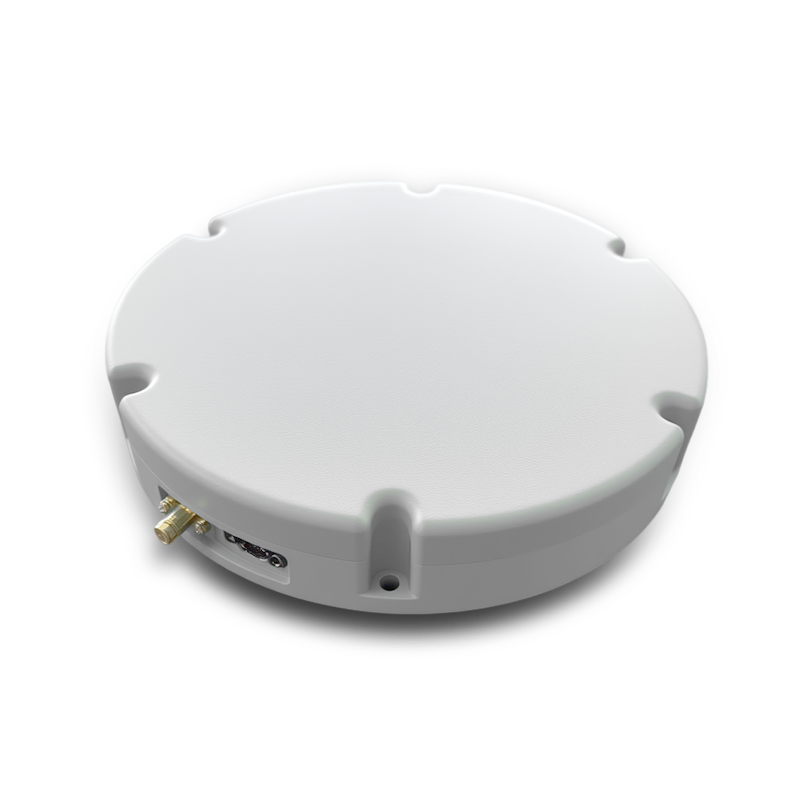 SLA-8B1L1-165
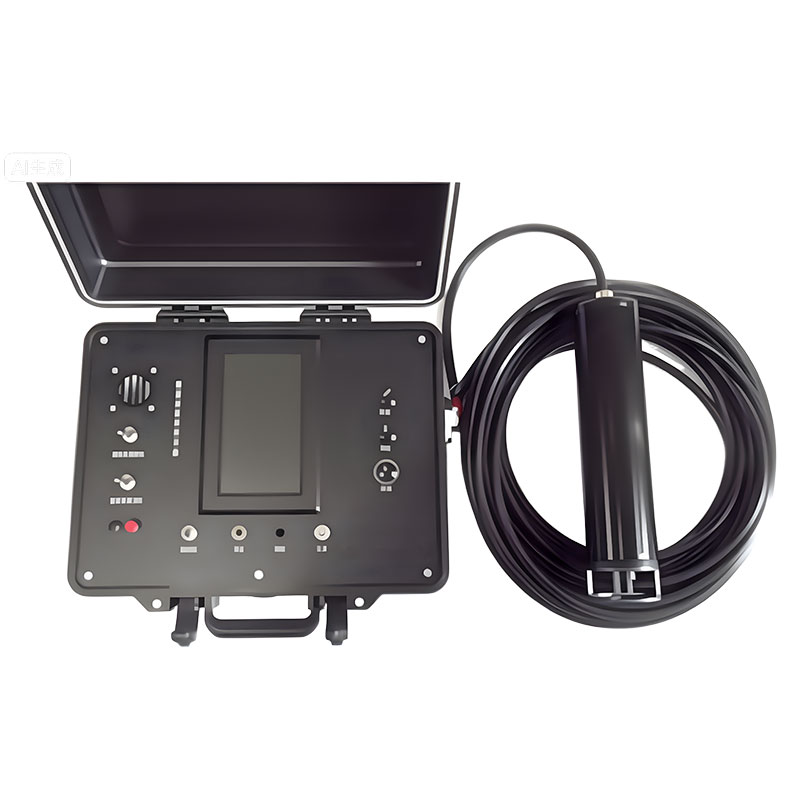 DIVER 101
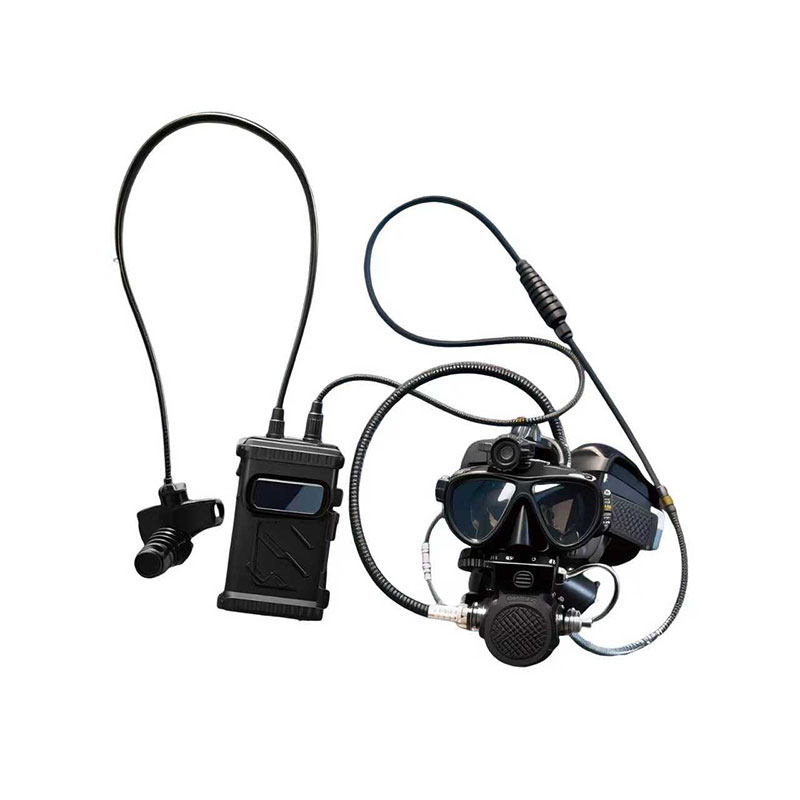 DIVER 102
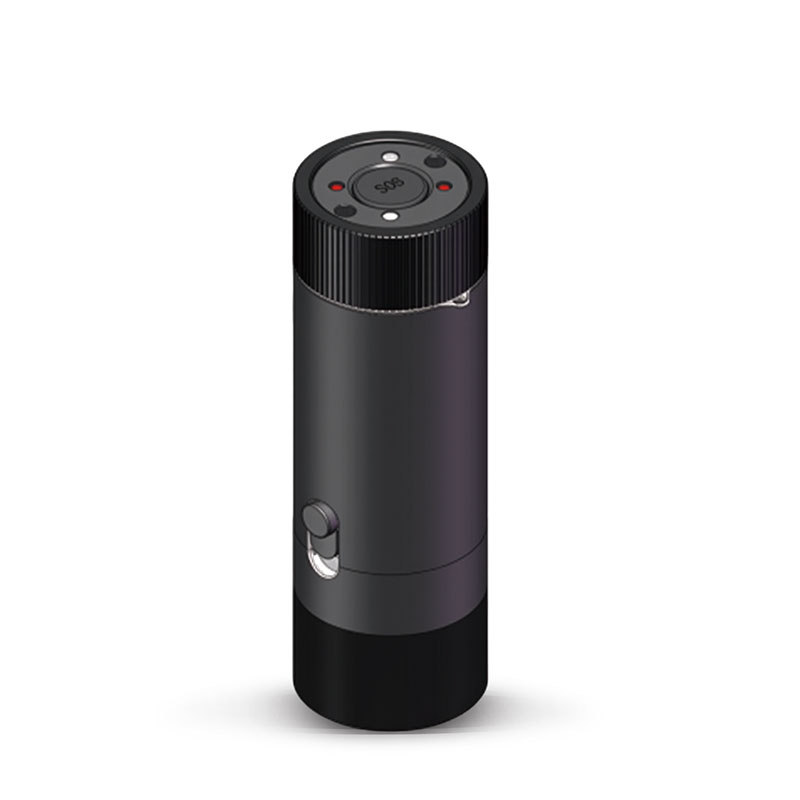 DIVER 103
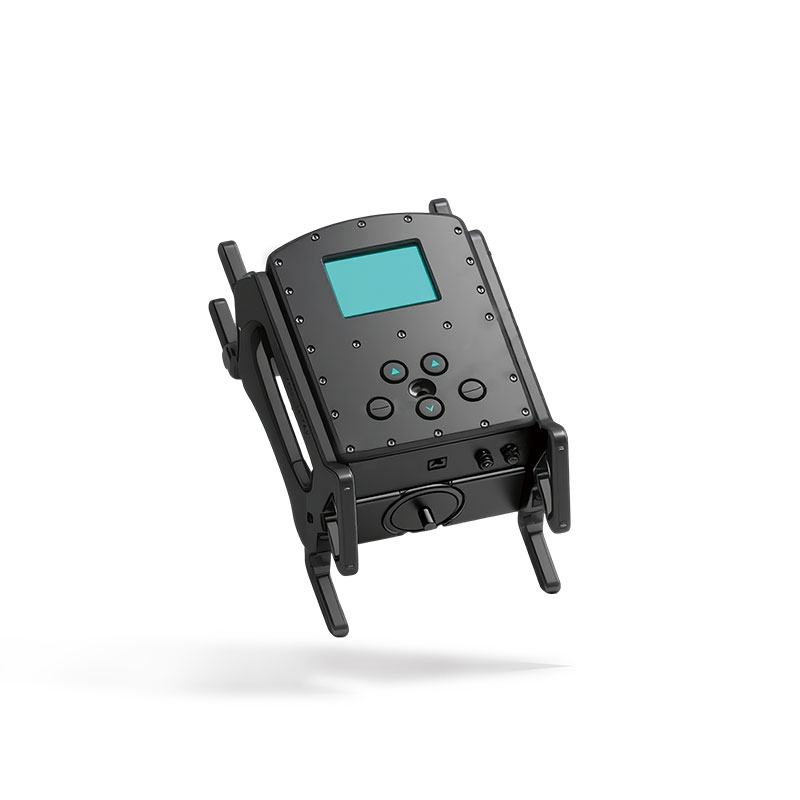 DIVER 104
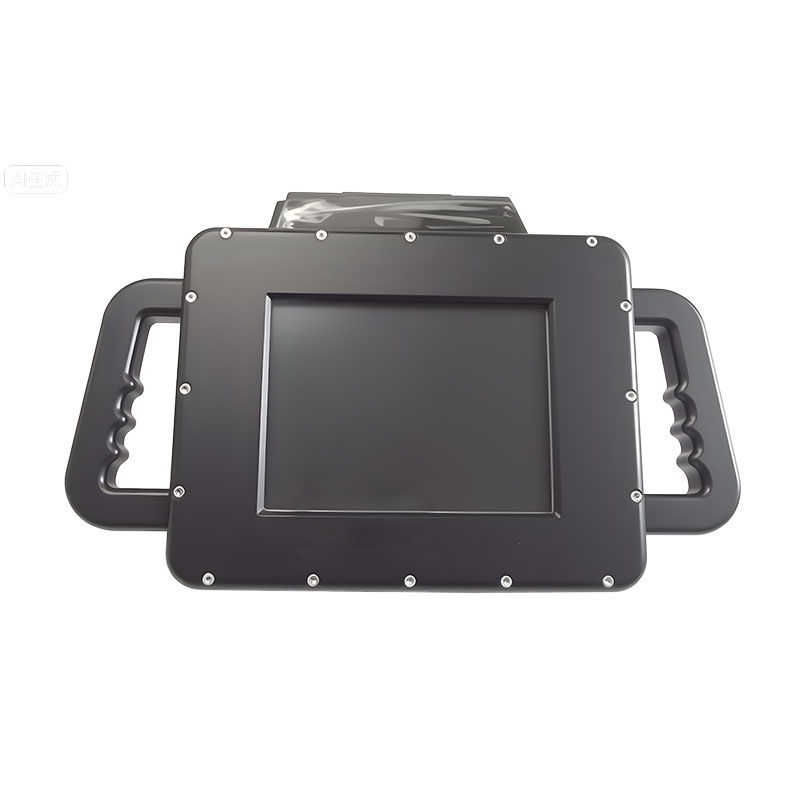 DIVER 105
 DIVER 106
 SLLR3000
 SLLR905
 SLLD25
 160M
160M 170M
170M SLFC-70
 SLAF280
 MR360
MR360